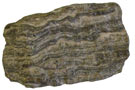
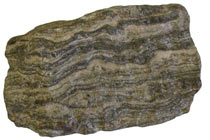
Metamorphic rocks have been changed over time by extreme pressure and heat.
Metamorphic rocks can be formed by pressure deep under the Earth's surface, from the extreme heat caused by magma or by the intense collisions and friction of tectonic plates.
Uplift and erosion help bring metamorphic rock to the Earth's surface.
Examples of metamorphic rocks include anthracite, quartzite, marble, slate, granulite, gneiss and schist.
Anthracite is a type of coal with a high carbon count, few impurities and with a high luster (meaning it looks shiny).
Marble is a metamorphic rock that is formed from the sedimentary rock limestone.
Quartzite is a metamorphic rock that is formed from the sedimentary rock sandstone.
Slate is a metamorphic rock that is formed from the sedimentary rock mudstone.
Granulite is a metamorphic rock that is formed from the igneous rock basalt.
Learn about sedimentary rocks, igneous rocks, other rocks and minerals or fossils.
Make a fossil cast or check out our rock sorting lesson plan.